

Heart surgery is often associated with large incisions, long hospital stays, and a difficult recovery. Today, advances in minimally invasive cardiac surgery are helping selected patients access effective surgical treatment through smaller incisions and more refined surgical approaches.
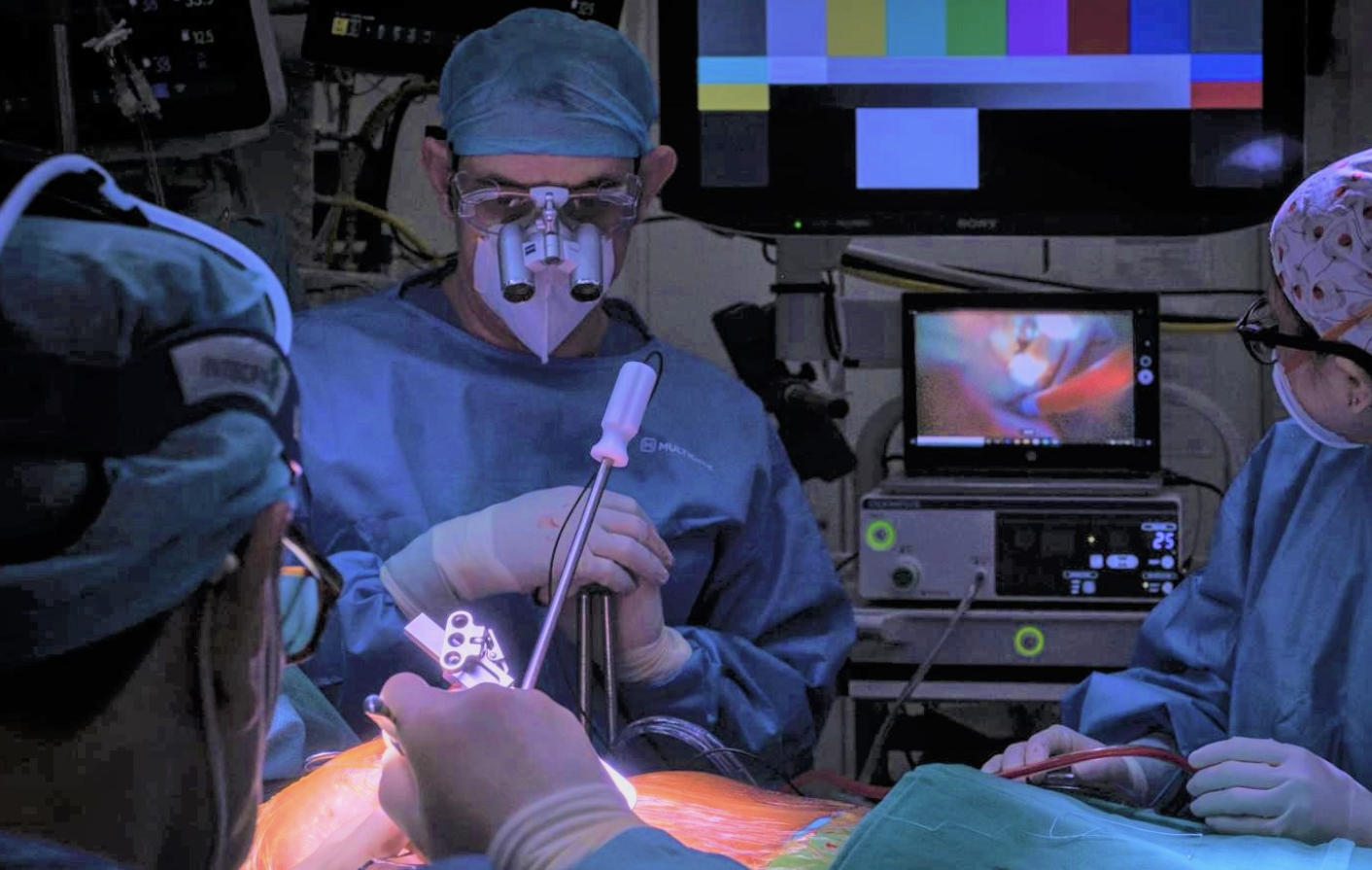
Minimally invasive cardiac surgery, often referred to as MICS, is designed to reduce surgical trauma while still allowing the surgeon to treat complex heart conditions with precision. Rather than opening the chest through a traditional full sternotomy, MICS may involve smaller access points, specialised instruments, endoscopic visualisation, and carefully planned surgical techniques.
For patients, this approach may offer several potential benefits. These may include less pain after surgery, smaller scars, reduced blood loss, shorter recovery time, and a faster return to daily activities. However, not every patient is suitable for a minimally invasive approach. The right treatment depends on the patient’s diagnosis, anatomy, overall health, and surgical risk profile.
At Theo Kofidis Cardiac Surgery, patients are guided through a personalised assessment to determine whether minimally invasive, endoscopic, hybrid, or open heart surgery is the most appropriate option. The focus is not simply on using the smallest incision, but on choosing the safest and most effective pathway for each individual patient.
Minimally invasive cardiac surgery can be used for selected cases of valve disease, coronary artery disease, atrial septal defect, arrhythmia, and other structural heart conditions. With careful evaluation and experienced surgical planning, it can help transform the patient journey from diagnosis to recovery.